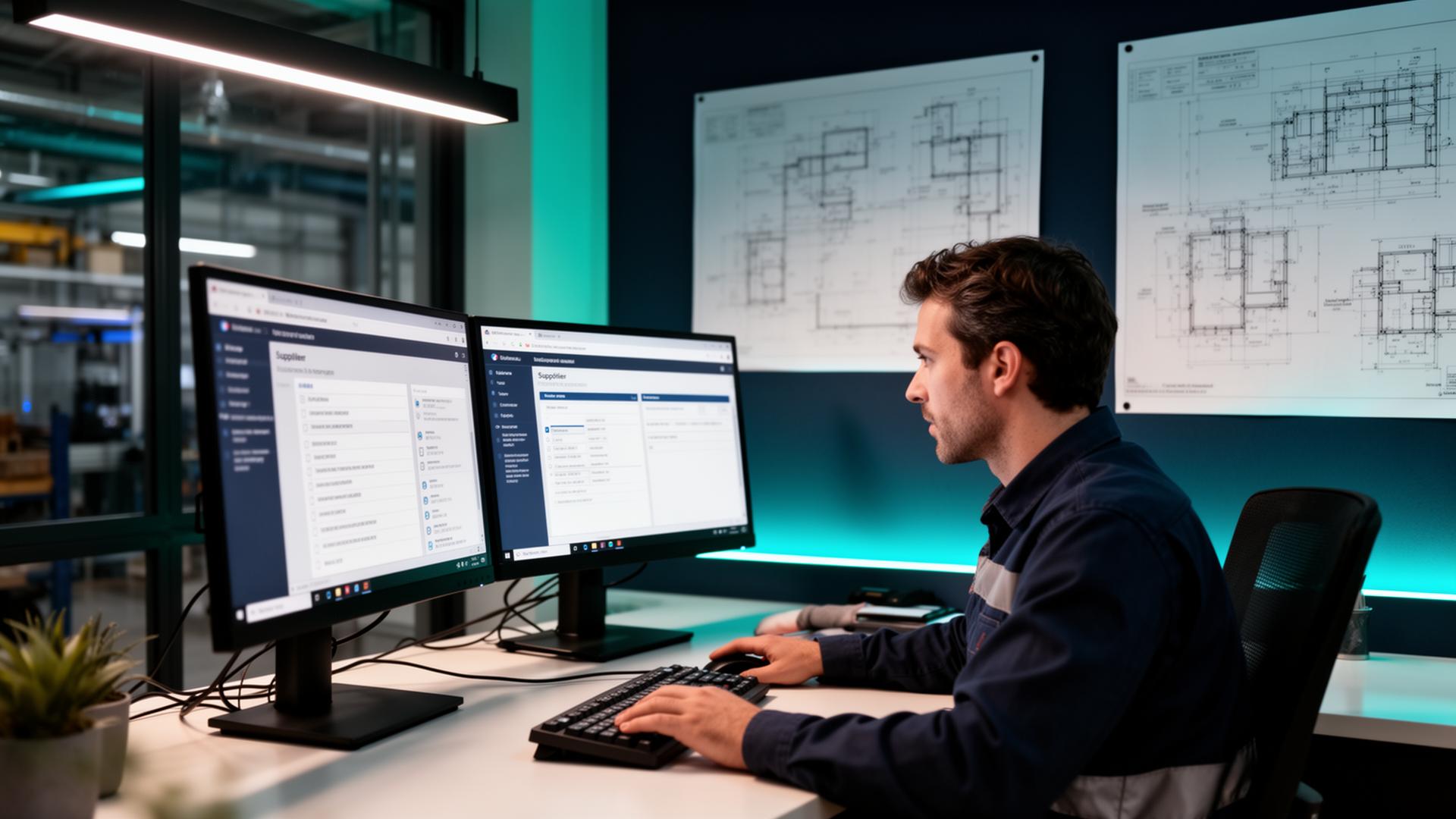
Knowledge Management
Knowledge Management is part of Workforce & Collaboration on Industrial Connected - UK suppliers who specialise in knowledge management for buyers across Food & Beverage, Pharmaceutical, Automotive and beyond. Post one project and receive structured applications from verified suppliers, with Trust Scores and capability data side-by-side.
UK knowledge management suppliers
Knowledge Management is part of Workforce & Collaboration on Industrial Connected - UK suppliers who specialise in knowledge management for buyers across Food & Beverage, Pharmaceutical, Automotive and beyond. Post one project and receive structured applications from verified suppliers, with Trust Scores and capability data side-by-side.
- You want to digitise paper SOPs, work instructions and shift handover logs
- You're rolling out a connected worker or frontline communication platform
- You need to capture and share tacit knowledge from experienced operators
- You're standardising training, skills tracking and competency sign-off
- You want shop floor teams collaborating across lines, shifts and sites
- Manufacturing-specific deployments, not generic collaboration tools
- Mobile-first and tablet-friendly UX designed for the shop floor
- Integration with MES, ERP, OEE and quality systems you already run
- Multi-site, multi-language and offline capability
- Measurable outcomes (training time, downtime, FPY, employee engagement)
Common questions about Knowledge Management
MES runs the order, traceability and execution layer for the production system. Connected worker and collaboration platforms run the human layer: how operators follow instructions, hand over shifts, raise issues and share knowledge. They are complementary and increasingly integrated.
Digital SOPs sit at the centre of connected worker platforms. They replace paper binders with mobile, media-rich, version-controlled instructions that workers actually use, with built-in confirmation and feedback loops.
Most run on standard tablets, rugged tablets or smartphones already in use on site. Some integrations with PLCs, scanners or wearables are optional.
Typical wins are faster onboarding, shorter training cycles, fewer quality escapes, cleaner shift handovers and higher OEE through engaged frontline teams.