A UK medical device manufacturer was developing an automated assembly line for a small ophthalmic surgical device used by surgeons during complex eye operations. Tolerances were exceptionally tight, components needed to be correctly oriented with no room for ambiguity, and the assembly environment had to be verified completely free of dust and particle contamination at every stage. Manual inspection wasn't a realistic option at this scale and tolerance, so a fully integrated machine vision system was needed to check orientation and cleanliness on every part, every cycle, with zero tolerance for error.
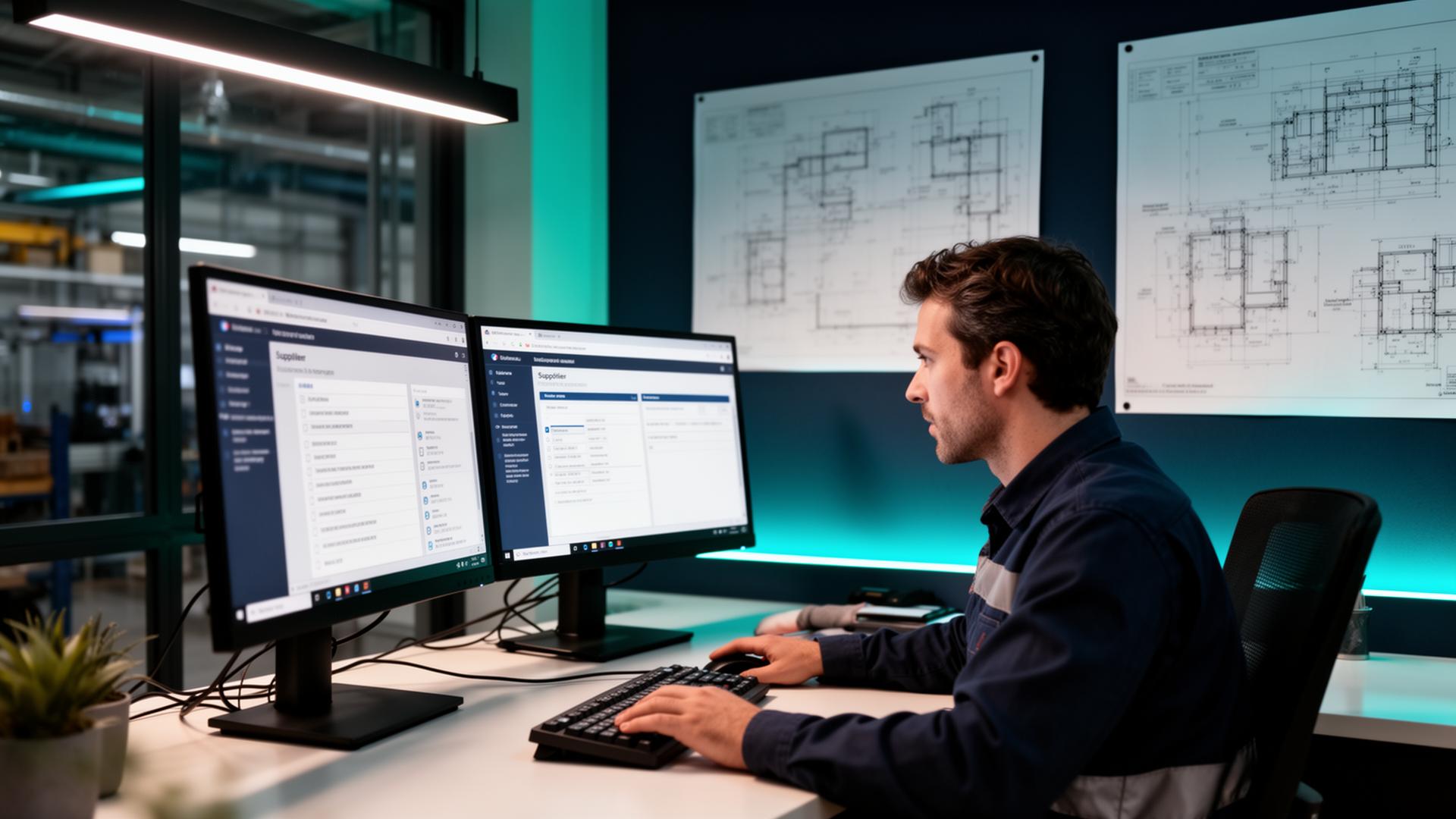
Duke Control Systems was brought in for the vision system scope, developing and commissioning a 9-camera Cognex inspection system fully integrated with the line's Siemens PLC. Duke's engineers worked through each of the nine stations individually, capturing reference images under production lighting and developing bespoke vision programs tuned to the exact part geometry and defect criteria at each stage. Orientation verification logic was developed to reject any part with even the smallest deviation, while the vision system was configured to detect contamination at a level invisible to manual inspection. Duke's vision engineers also worked closely with the project's Siemens PLC team to implement reliable handshaking between each camera and the PLC, pass/fail signals, station sequencing, and reject handling, ready for customer FAT at a facility in the North of England.
The completed vision system gave the manufacturer a fast, reliable, fully automated way of verifying both orientation and cleanliness on every unit produced, removing dependence on manual inspection for a product where an undetected defect carried significant consequences. The system was proven and ready ahead of the customer FAT, with Duke's engineers supporting the test itself and demonstrating the inspection logic and PLC integration performing as specified. The manufacturer now has a production process capable of consistently producing a small, precision surgical device to a level of accuracy and cleanliness manual methods couldn't reliably match, with full traceability built into every inspection cycle.
""On a project like this there is no margin for 'close enough.' The device is going into an operating theatre. Every signal between every camera and the PLC has to be right, every time, and that only happens when the vision and controls teams are working from the same understanding of how the line behaves.""
Published with the express consent of both parties. The buyer chose to remain unnamed, so they are described by sector only. All quotes are unedited extracts from verified reviews.