
Buyer categories

Tooling, Moulds & Production Tooling

Connect with specialists in tooling design, manufacture, modification and repair for production and manufacturing environments.
Tooling, Moulds & Production Tooling - UK manufacturing suppliers
Overview

Tooling design, manufacture, modification and repair

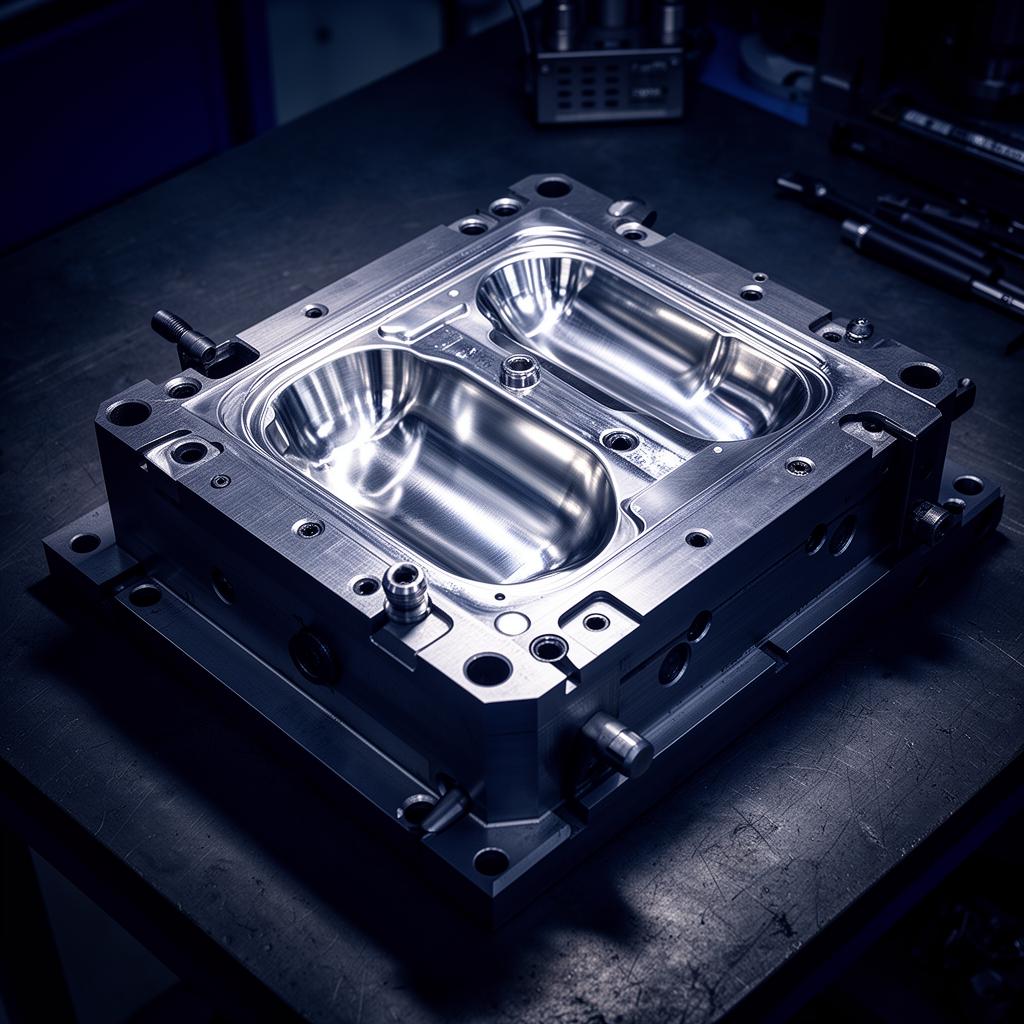
Tooling, Moulds & Production Tooling covers UK toolmakers and tooling engineers who design, build, modify and repair the moulds, press tools, jigs and fixtures that production depends on. Use this category whether you need a new injection mould tool, modifications to an existing press tool, or a fast repair to get a line back into production.

When to use
  • You need a new injection mould or press tool designed and built
  • You need an existing tool modified for a new part or higher volume
  • You need urgent tool repair to recover production downtime
  • You need jigs, fixtures or production tooling for assembly or inspection
What to look for
  • Experience with your tool type, material and shot volume
  • In-house design, manufacture and try-out capability
  • Turnaround time for repairs and modifications
  • Quality systems and tool validation (T0, T1, T2 sampling)
Buying guide

How to buy tooling, moulds & production tooling

Production tooling is a long-life capital asset. The right toolmaker pays for itself over years of trouble-free production; the wrong one becomes a maintenance bill that never ends.

  1. 01
    Define the part and life

    Annual volume, expected total life, material, cycle time target and any future variants drive cavitation, steel grade and tool class.

  2. 02
    Pick the tool class

    Reference SPI or DME mould classes (or equivalent for press tools) so quotes are like-for-like on steel hardness, finish and guaranteed shots.

  3. 03
    Specify steel, finish and hot runner

    Steel grade (P20, H13, stainless), surface finish (SPI A1 to D3), hot vs cold runner and any side actions are the big cost drivers.

  4. 04
    Plan FAT and sample approval

    Agree where Tool Trial / FAT happens (vendor or end moulder), how many sample shots, what dimensional report is required.

  5. 05
    Award with a maintenance plan

    Tool drawings, spares list and a documented service interval should ship with the tool, not be a future request.

Typical services

Services offered in Tooling, Moulds & Production Tooling

The service lines suppliers in this category typically deliver.

Injection mould tool design and manufacturePress tool design, build and try-outTool modification for revised partsEmergency tool repair and re-cuttingJig, fixture and gauge designT0, T1 and T2 samplingTool maintenance and refurbishment
Certifications required

Standards and accreditations to look for

These are the third-party certifications buyers commonly ask suppliers in this category to hold. Industrial Connected Verification is a separate check of company identity and credentials, and approved certifications uploaded by a supplier also contribute towards their Trust Score.

ISO 9001

Baseline quality system for toolrooms.

IATF 16949

Required for tooling supplied into automotive production.

ISO 13485

Tooling for medical device manufacture.

TickIT-style design controls

Documented design and validation process for production tools.

Typical lead times

Lead times in Tooling, Moulds & Production Tooling

A realistic starting point for planning. Actual lead times depend on volume, material availability, finishing, inspection requirements and current supplier load. Confirm in writing on every quote.

Urgent repairs often start within 24 to 48 hours for breakdown situations.

Supplier checklist

How to vet a tooling, moulds & production tooling supplier

Run through this checklist with any candidate supplier before awarding work. If they cannot evidence an item, treat it as a risk to manage, not an assumption to ignore.

  • Demonstrable experience in your tool class, size and material.
  • Steel sourcing, EDM, polishing and laser welding done in-house or via known partners.
  • Toolroom CMM and shot sampling on site for trial parts.
  • Tool drawings, BOM and spares list issued as standard deliverables.
  • Realistic lead time including trial and rework iterations.
  • Quality system certified and audited (ISO 9001 minimum, sector standards where required).
  • Two reference customers in your sector willing to take a call.
  • Insurance, IP and NDA position confirmed in writing before sharing drawings or data.
  • Commercial terms agreed: payment terms, currency, retention, delivery Incoterms.
Common mistakes

Common mistakes buyers make in Tooling, Moulds & Production Tooling

The avoidable issues we see most often, with the one-line fix that prevents them.

Choosing on tool price without comparing class and shot guarantee.
Fix: Always compare against SPI class, steel grade and guaranteed shot count, not headline price.
Skipping a DFM review before cutting steel.
Fix: Run a formal DFM and mould-flow review with both designer and toolmaker before tool start.
Buying offshore tools without a UK service plan.
Fix: Insist on UK-based support, spares and a clear repatriation route before signing.
Forgetting tool storage and inactivity costs.
Fix: Agree storage location, fees and re-validation costs after long idle periods.
Mixing tool ownership and supplier-of-the-part decisions.
Fix: Keep tool ownership separate from production supply, so the tool can move if the production relationship changes.
Supplier types

Kinds of suppliers in this category

The supplier profiles you will typically meet when sourcing in Tooling, Moulds & Production Tooling.

Mould toolmakers

Build single and multi-cavity injection mould tools, typically in P20, H13 or S136.

Press toolmakers

Design and build progression, blank and form tools for sheet metal.

Tool repair and modification specialists

Fast-response shops for damaged or end-of-life tooling.

Jig, fixture and gauge specialists

Bespoke build for assembly, inspection and welding fixtures.

Example projects

Example projects in Tooling, Moulds & Production Tooling

Representative briefs and scopes buyers post in this category.

Refurbishment of a 16 cavity medical grade injection mould tool.
Emergency laser welding and repair of a damaged automotive bumper mould.
Engineering change modification for a consumer electronics plastic enclosure tool.
High gloss mirror polishing for a clear polycarbonate lens mould insert.
Procurement guidance

Buyer & supplier guidance

For buyers
What to include in your brief
  • Provide detailed technical drawings with highlighted areas for repair or modification.
  • Specify the resin or material used in production for context.
  • Include high resolution photos of any damage or areas requiring polishing.
  • State the current shot count and total tool life cycle history.
Common certifications
ISO 9001:2015 Quality Management SystemISO 14001 Environmental Management SystemUKAS Accredited Calibration and Testing Service
Typical lead times

Urgent repairs often start within 24 to 48 hours for breakdown situations.

Procurement considerations
  • Confirm the original tool material and current hardness level before modification.
  • Verify if onsite repair is available or if shipping is required.
  • Check that the toolroom has lifting capacity for the specific tool weight.
  • Discuss spare parts interchangeability to ensure future production continuity.
For suppliers
What buyers expect in your profile
  • Highlight specific experience with complex multi cavity or high cavitation tools.
  • Showcase your range of toolroom machinery and lifting equipment capacity.
  • Detail your ability to provide 24 hour emergency breakdown support.
  • List specific sectors served such as automotive or medical device manufacturing.
Recommended certifications
ISO 9001:2015 Quality Management ISO StandardCyber Essentials Certification for secure drawing transfersSafeContractor accreditation for onsite maintenance work
Capability information to show
  • Specialist TIG and laser welding for mould repair.
  • High precision CNC machining for tool modifications.
  • Complex assembly and disassembly of hot runner systems.
  • Hand and ultrasonic polishing to mirror finishes.
Buyer FAQs

Buyer FAQs for Tooling, Moulds & Production Tooling

Should I use the original toolmaker for repairs?

Not necessarily. Many UK toolmakers will take on third-party repairs and modifications - particularly when the original supplier is overseas or no longer trading.

How long does a new injection mould take?

Typically 6 to 14 weeks for a single-cavity production mould in the UK, depending on complexity, steel grade and try-out cycles.

What's the difference between production and prototype tooling?

Prototype tooling is built for a short run (often soft steel or aluminium) to validate the part. Production tooling is hardened for hundreds of thousands or millions of shots.