
Hybrid Additive-Subtractive
Hybrid Additive-Subtractive is part of Precision Engineering on Industrial Connected - UK suppliers who specialise in hybrid additive-subtractive for buyers across Aerospace, Medical Devices, Motorsport and beyond. Post one project and receive structured applications from verified UK suppliers with their capability details set out side by side.
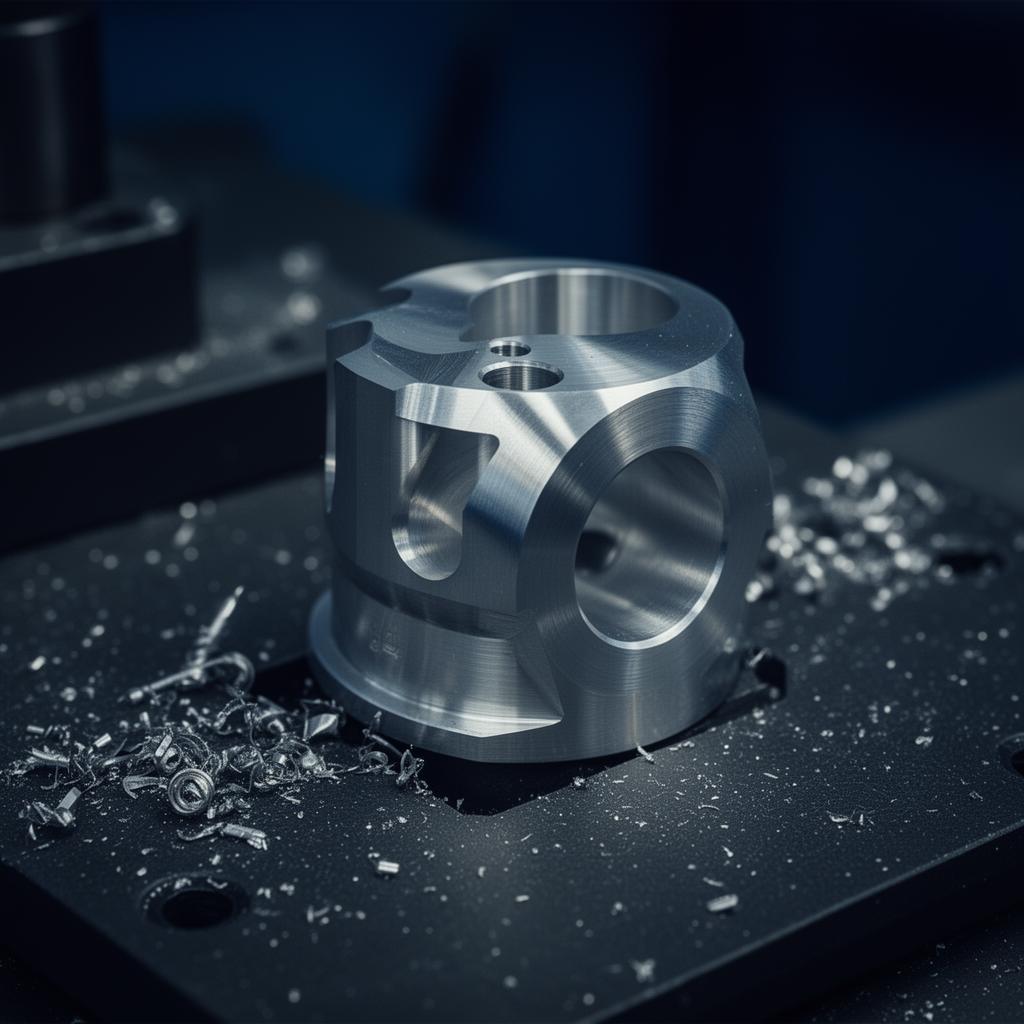
UK hybrid additive-subtractive suppliers
Hybrid Additive-Subtractive is part of Precision Engineering on Industrial Connected - UK suppliers who specialise in hybrid additive-subtractive for buyers across Aerospace, Medical Devices, Motorsport and beyond. Post one project and receive structured applications from verified UK suppliers with their capability details set out side by side.
- You have a CAD model or drawing and need parts produced
- You need rapid prototypes before committing to tooling
- You require tight tolerances or specialist machining operations
- You're sourcing tooling, jigs or fixtures for your own production
- Relevant industry experience (aerospace, medical, motorsport, defence, etc.)
- Quality accreditations such as AS9100, ISO 9001, ISO 13485
- Capacity and lead time for your volume and timeline
- Inspection capability - CMM, surface measurement, FAIR reports
Common questions about Hybrid Additive-Subtractive
Match the requirement rather than the label. Shortlist suppliers whose machine list, material experience, inspection capability and quality system fit your drawing and your production plan, then ask each one for evidence such as comparable components, a sample inspection report and a current certificate. Posting one project brief on Industrial Connected lets relevant supplier members apply against the same requirement, so you compare like with like.
A 3D model in STEP or IGES together with a 2D drawing showing tolerances, surface finishes, material grade and any critical features. Add the batch quantity, any recurring annual volume, the required delivery date and the quality documentation you need, such as material certificates or a FAIR. Suppliers can usually quote from a STEP alone for simpler parts.
ISO 9001 is the general baseline. Sector work adds its own requirement: AS9100 for aerospace and defence, ISO 13485 for medical devices and IATF 16949 for automotive. Check the certificate scope and expiry as well as the standard, and ask about customer-specific approvals and any cybersecurity evidence where you are sharing controlled data.
Compare the complete route, not just the part price. Confirm that each quote covers the same operations, external processes such as heat treatment, plating or coating, the same inspection and documentation, and the same batch structure. Then compare lead time and available capacity against your schedule. Posting one brief and receiving structured applications side by side keeps the comparison on equal terms.
Material availability, part complexity and the number of setups, machine capacity at the time of order, any external processes in the route, and the inspection and documentation required. Batch size and whether the work is a one-off prototype or a scheduled repeat also change the timescale, so ask each supplier to confirm a lead time against your actual drawing rather than assuming a standard figure.
CNC machining is one process, in which computer-controlled milling, turning or mill-turn machines cut a part from stock. Precision engineering is the wider discipline of producing components to controlled tolerances, and covers CNC machining alongside grinding, EDM, honing, lapping, gear cutting and additive manufacturing, together with the inspection and quality system that proves the part meets the drawing.