
Quantamatic
Verified
Premium
High-Volume Precision Turned Parts | CNC & Escomatic Machining
Product Functional Testing
CNC Milling (3-axis)
CNC Turning
+2
Full profile, capabilities and contact available to members
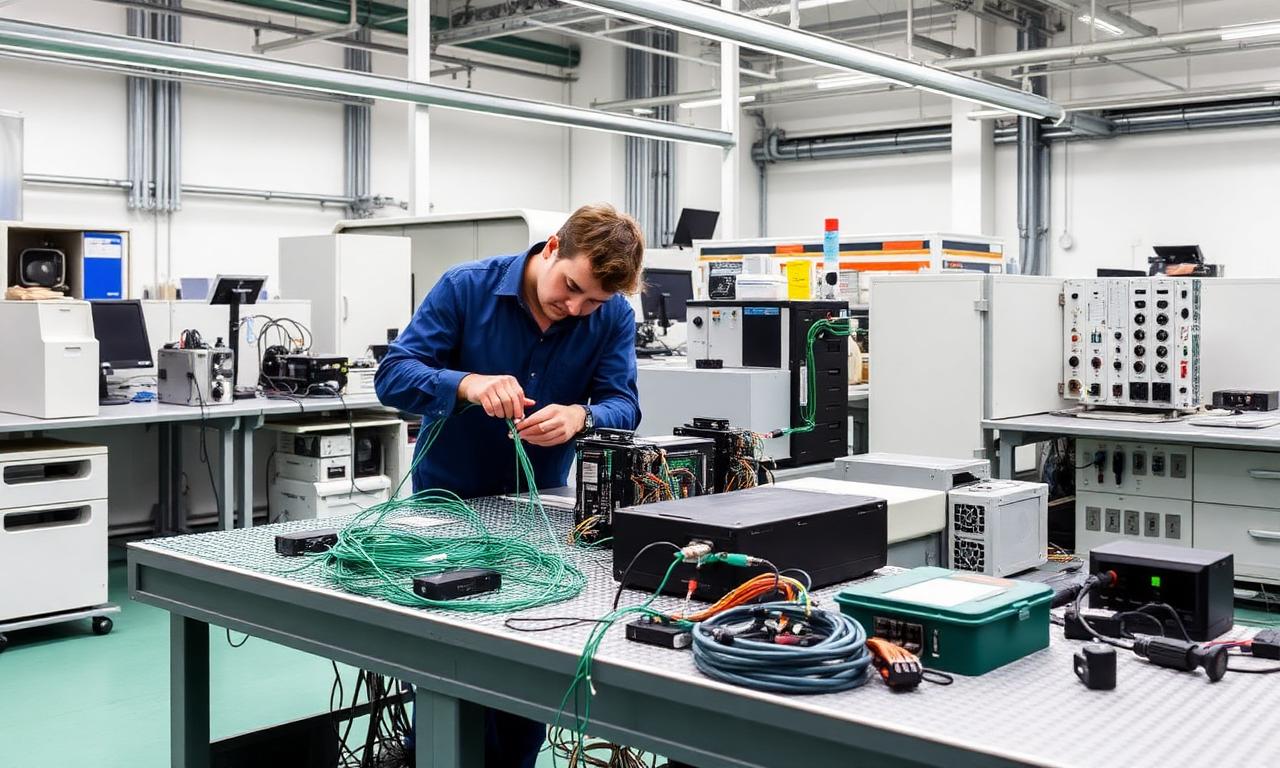
UK contract assemblers building electromechanical and mechanical assemblies, wiring looms, cable assemblies, full box-build products and complete contract manufactured units.
Industrial Connected suppliers with recorded capabilities relevant to contract assembly & box build.
High-Volume Precision Turned Parts | CNC & Escomatic Machining


Investment Foundry


UK Contract Electronics Manufacturer | PCB Assembly, Testing, Box Build & Design

Precision CNC Machining, Welding & Fabrication, plus Breakdown Support


Precision Sub-Contract CNC machining


Design and manufacture of electronics for sensor signal conditioning, processing, and analysis in extreme environments.
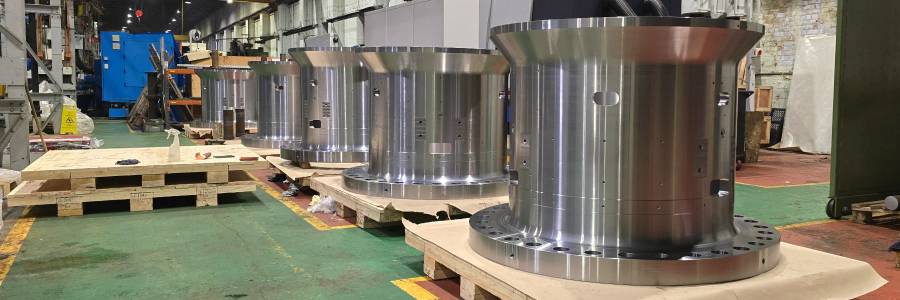

Large Component CNC Machining and Fabrication
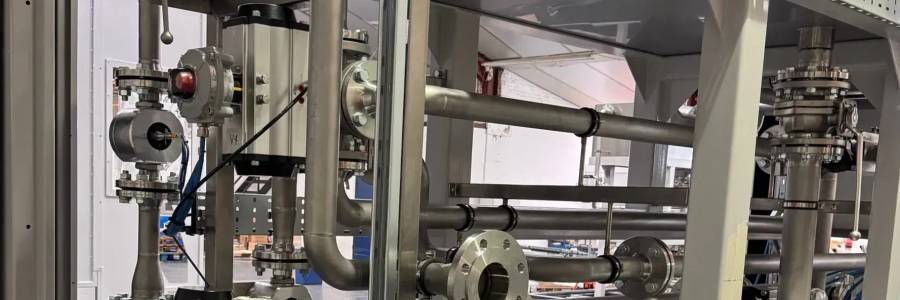

Stainless steel & aluminium TIG Welding & fabrications- Aerospace, motorsport, industrial


Bespoke materials handling & Conveyor systems


Precision CNC machining with full 5 axis capability


UK Manufacturer of Pressed, Folded & Fabricated Metal Components and Assemblies
Contract Assembly & Box Build covers UK partners who take your components and turn them into a complete electromechanical or mechanical product - from wiring looms and cable assemblies to full box build, test, label and dispatch. Use this category when you need a single supplier to own assembly, test and packing instead of coordinating multiple subcontractors.
Contract assembly and box build is a long-term partnership. NPI capability, supply-chain strength and quality system maturity matter more than headline labour rate.
PCB assembly class, cable and harness, mechanical assembly, test rig design, packaging and logistics all need to be on the table.
DFM, prototype builds, pilot build and ramp criteria should be documented before quoting volume production.
Turnkey vs consigned, named approved-vendor list, obsolescence management and how price changes flow through.
Inspection class, ICT, functional test, burn-in, packaging test and outgoing AQL all documented and agreed.
Annual price reviews, cost-down sharing, NRE recovery and exit / re-sourcing clauses should all sit in the contract.
The service lines suppliers in this category typically deliver.
These are the third-party certifications buyers commonly ask suppliers in this category to hold. Industrial Connected Verification is a separate check of company identity and credentials, and approved certifications uploaded by a supplier also contribute towards their Trust Score.
Baseline quality system for contract assemblers.
Workmanship standard for cable and wire harness assembly.
Required for medical device assembly.
Aerospace assembly quality system.
Electrostatic discharge control for electronic assemblies.
Environmental management.
A realistic starting point for planning. Actual lead times depend on volume, material availability, finishing, inspection requirements and current supplier load. Confirm in writing on every quote.
Typically 4 to 8 weeks once BoM is bought-out; longer for first article. Recurring builds drop to 2 to 4 weeks with held stock.
Run through this checklist with any candidate supplier before awarding work. If they cannot evidence an item, treat it as a risk to manage, not an assumption to ignore.
The avoidable issues we see most often, with the one-line fix that prevents them.
The supplier profiles you will typically meet when sourcing in Contract Assembly & Box Build.
Multi-discipline build of finished products to client BoM.
IPC-A-620 build of custom looms and cable assemblies in volume.
Controlled environment assembly for medical and high-spec electronics.
Procurement, PCBA, mechanical assembly, test and dispatch under one roof.
Representative briefs and scopes buyers post in this category.
Typically 4 to 8 weeks once BoM is bought-out; longer for first article. Recurring builds drop to 2 to 4 weeks with held stock.
Both are common. Free-issue works when you have tight control over BoM; supplier-procured is faster but you pay a margin on parts. Many buyers use a mix.
Most UK box-build assemblers will load firmware, run functional test and electrical safety test as part of the build. Specify your test plan upfront.
Box build is cost-effective from tens of units up to tens of thousands. Below that, in-house assembly often wins; above that, dedicated EMS or offshore options may be more competitive.