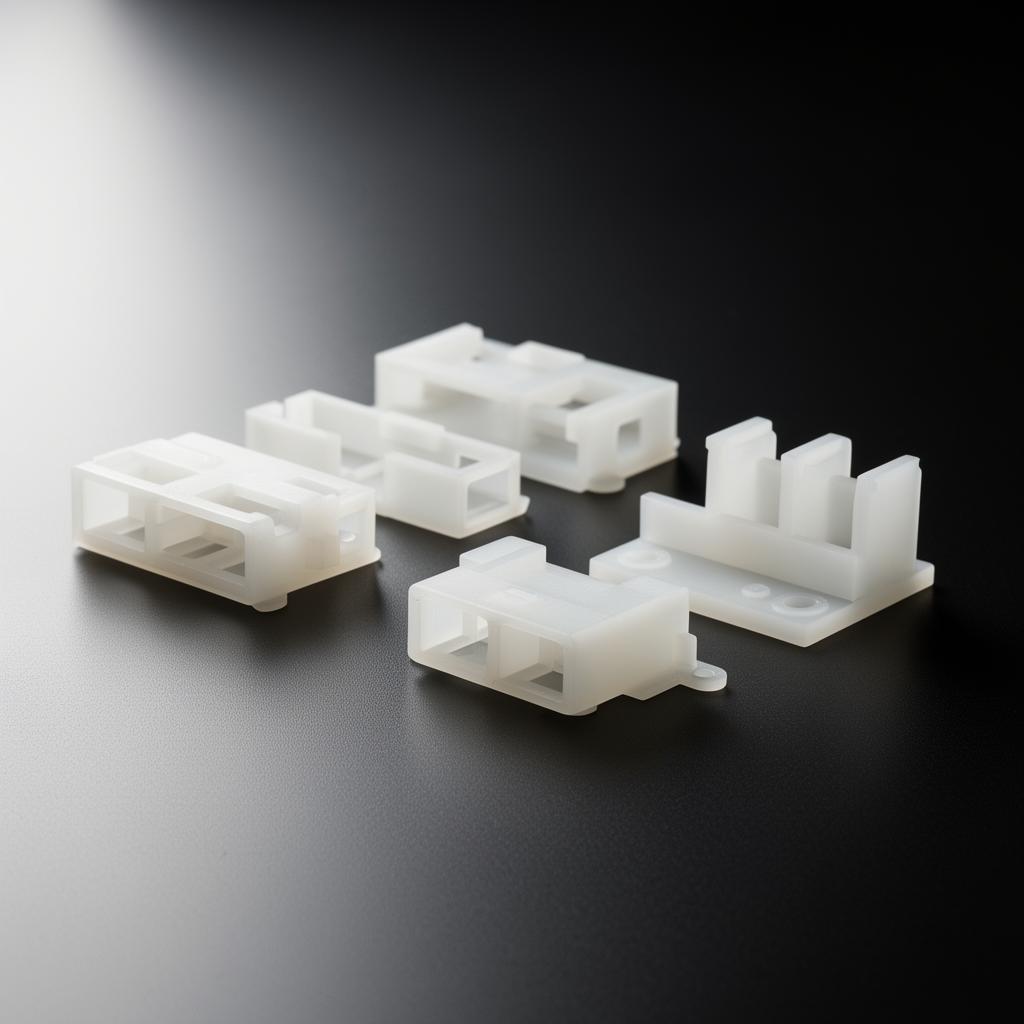
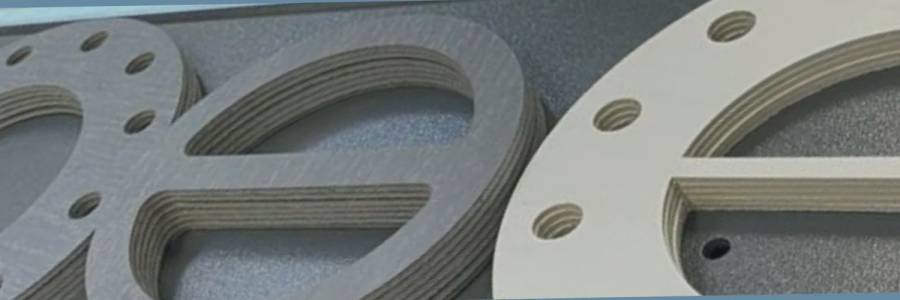
Plastics, Rubber & Polymers covers UK suppliers producing components from polymer materials - from injection moulded plastic parts and thermoformed trays to bespoke rubber seals, gaskets and extruded profiles.
When to use
You need volume-moulded plastic or rubber parts
You require custom seals, gaskets or extruded profiles
You need tooling designed and built for moulded production
You need machined or fabricated parts in engineering plastics
What to look for
Tooling capability in-house vs. subcontracted
Material expertise for your application (food contact, medical, high-temperature, etc.)
Volume capability matching your forecast
Quality systems - ISO 9001, ISO 13485 for medical, IATF 16949 for automotive
Buying guide
How to buy plastics, rubber & polymers
Polymer parts depend on the right combination of material, process and tool. Get those three wrong and no amount of negotiation fixes the part.
01
Confirm the polymer and grade
Specify polymer family, grade, fillers, colour, UV stability and any regulatory needs (food contact, medical, REACH, RoHS).
02
Choose the right process
Injection moulding for volume; vacuum casting or 3D printing for prototypes; thermoforming for large thin parts; rotational moulding for hollow tanks.
03
Plan tooling carefully
Decide on prototype, bridge or production tool, cavitation, hot vs cold runner, and where the tool will live. Tooling cost and ownership are usually the biggest commercial points.
04
Agree validation route
For regulated parts confirm IQ/OQ/PQ, PPAP or equivalent. For commercial parts a sample approval drawing is usually enough.
05
Award with a clear ramp
First-off, capability run, then full production. Build a buffer into the schedule for tool tuning, it almost always needs some.
Typical services
Services offered in Plastics, Rubber & Polymers
The service lines suppliers in this category typically deliver.
Plastic injection moulding (prototype to high volume)Vacuum and thermoformingPlastic extrusion and profile productionRubber moulding and extrusionCustom seals, gaskets and O-ringsMachining of engineering plasticsIn-house tool design and manufacture
Certifications required
Standards and accreditations to look for
These are the third-party certifications buyers commonly ask suppliers in this category to hold. Industrial Connected Verification is a separate check of company identity and credentials, and approved certifications uploaded by a supplier also contribute towards their Trust Score.
ISO 9001
Baseline quality system.
ISO 13485
Required for medical device plastics and rubber components.
IATF 16949
Automotive quality system for moulded plastic and rubber parts.
BRCGS / FDA 21 CFR
Food and pharmaceutical contact compliance.
ISO 14001
Environmental management for regrind and waste streams.
Typical lead times
Lead times in Plastics, Rubber & Polymers
A realistic starting point for planning. Actual lead times depend on volume, material availability, finishing, inspection requirements and current supplier load. Confirm in writing on every quote.
Tooling development typically takes 4 to 12 weeks with production starting shortly after sample approval.
Supplier checklist
How to vet a plastics, rubber & polymers supplier
Run through this checklist with any candidate supplier before awarding work. If they cannot evidence an item, treat it as a risk to manage, not an assumption to ignore.
Press tonnage and shot-weight range covers your part with margin.
Experience with your polymer family and any regulatory grade you need.
Toolroom on site, or a named toolmaker for maintenance and modifications.
Cleanroom, white room or food-safe area if your end use needs it.
Material drying, batch traceability and process monitoring as standard.
Quality system certified and audited (ISO 9001 minimum, sector standards where required).
Two reference customers in your sector willing to take a call.
Insurance, IP and NDA position confirmed in writing before sharing drawings or data.