
Manufactured Components
Suppliers who machine, mill, turn, grind and 3D-print finished parts and prototypes to your drawing.
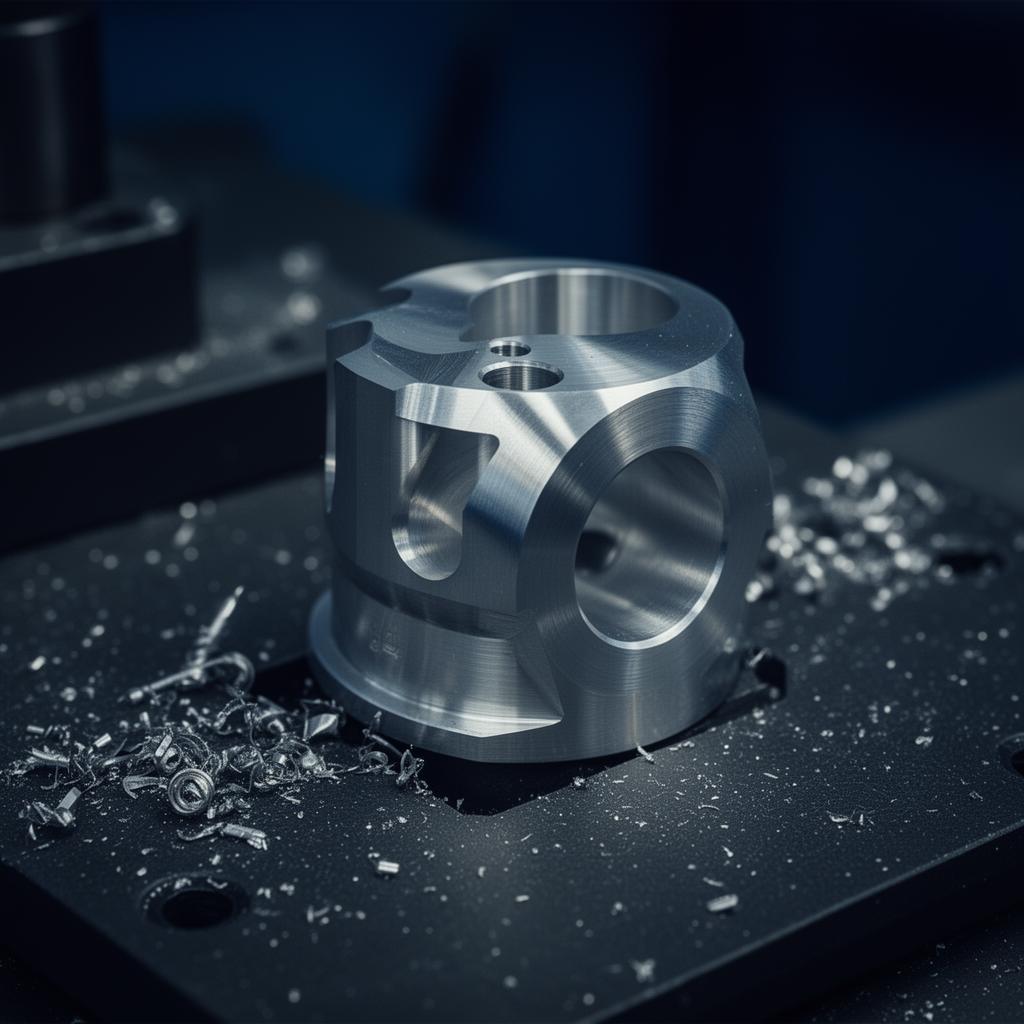
Categories in this group
24 totalPrecision parts and bespoke components
Manufactured Components covers UK suppliers who produce finished parts and prototypes from a drawing or 3D model. These suppliers run CNC machining centres, lathes, grinders and EDM, as well as additive manufacturing for prototypes and low-volume production.
- You have a CAD model or drawing and need parts produced
- You need rapid prototypes before committing to tooling
- You require tight tolerances or specialist machining operations
- You're sourcing tooling, jigs or fixtures for your own production
- Relevant industry experience (aerospace, medical, motorsport, defence, etc.)
- Quality accreditations such as AS9100, ISO 9001, ISO 13485
- Capacity and lead time for your volume and timeline
- Inspection capability - CMM, surface measurement, FAIR reports
How to buy manufactured components
You are buying machined or printed parts to drawing. Most of the cost and risk sits in geometry, tolerance and finishing, not the headline rate.
- 01Define the part properly
Issue a STEP plus a controlled 2D drawing with tolerances, surface finish, material grade, heat treatment and any critical features called out.
- 02Decide volume and cadence
State whether this is a one-off prototype, a kanban call-off or annual blanket order. The right shop for fifty parts is rarely the right shop for fifty thousand.
- 03Specify inspection upfront
Say if you need a FAIR (AS9102), CofC, material certs (EN 10204 3.1) or full PPAP. Adding these after award almost always extends lead time.
- 04Shortlist on capability fit
Match part envelope, material and tolerance class to machine list. A 5-axis aerospace shop is expensive overkill for a simple turned bush.
- 05Award and lock change control
Confirm process, sub-tier finishers, lot traceability and a written change-notification process before issuing the first PO.
Categories in this group
Browse one sub-category at a time - 24 categories across 1 section.
Services offered in Manufactured Components
The service lines suppliers in this category typically deliver.
Standards and accreditations to look for
These are the third-party certifications buyers commonly ask suppliers in this category to hold. Industrial Connected Verification is a separate check of company identity and credentials, and approved certifications uploaded by a supplier also contribute towards their Trust Score.
General quality management baseline expected from any UK precision shop.
Aerospace quality system required for civil and defence aerospace work.
Medical device quality system for parts used in regulated devices.
Automotive quality system for OEM and tier supply.
Baseline IP and data protection when sharing CAD and drawings.
Lead times in Manufactured Components
A realistic starting point for planning. Actual lead times depend on volume, material availability, finishing, inspection requirements and current supplier load. Confirm in writing on every quote.
Standard lead times for CNC components typically range from two to six weeks depending on material availability.
How to vet a manufactured components supplier
Run through this checklist with any candidate supplier before awarding work. If they cannot evidence an item, treat it as a risk to manage, not an assumption to ignore.
- Machine list matches your largest envelope and tightest tolerance with margin to spare.
- Demonstrable experience in your material grade (Inconel, Ti, PEEK, etc.) and your sector.
- In-house CMM or laser scanning with calibration traceable to UKAS.
- FAIR / PPAP / EN 10204 3.1 documentation produced as standard, not as a bolt-on.
- Approved sub-tier list for heat treatment, plating and special processes.
- Quality system certified and audited (ISO 9001 minimum, sector standards where required).
- Two reference customers in your sector willing to take a call.
- Insurance, IP and NDA position confirmed in writing before sharing drawings or data.
- Commercial terms agreed: payment terms, currency, retention, delivery Incoterms.
Common mistakes buyers make in Manufactured Components
The avoidable issues we see most often, with the one-line fix that prevents them.
Kinds of suppliers in this category
The supplier profiles you will typically meet when sourcing in Manufactured Components.
Volume machining houses running multiple CNC mills and lathes.
Set up for fast turnaround, single parts to a few hundred.
Polymer and metal 3D printing for prototypes and end-use parts.
Combined milling, turning, grinding and EDM under one roof.
Example projects in Manufactured Components
Representative briefs and scopes buyers post in this category.
Buyer & supplier guidance
- Provide detailed 2D drawings with tolerances and material specifications.
- Include a high quality CAD model in STEP or IGES format.
- Specify the total batch quantity and any recurring annual volumes.
- State required delivery dates and any specific quality documentation requirements.
Standard lead times for CNC components typically range from two to six weeks depending on material availability.
- Verify machine capacity and bed sizes for larger component requirements.
- Clarify whether material certification and FAIR reports are strictly necessary.
- Evaluate the trade off between additive manufacturing and traditional machining.
- Review post processing requirements such as anodising or heat treatment needs.
- List specific machine makes and models to demonstrate technical capacity.
- Highlight expertise in machining difficult materials like Inconel or Titanium.
- Showcase examples of past work through high quality component photography.
- Specify available inspection equipment such as CMM or optical measurement.
- Multi axis CNC milling and turning capabilities.
- Precision surface grinding and cylindrical grinding services.
- Industrial grade 3D printing in polymers and metals.
- Wire and spark erosion for complex geometries.
Buyer FAQs for Manufactured Components
Most UK precision shops can turn around CNC prototypes in 1 to 3 weeks depending on complexity, material and finishing. Additive parts are often faster.
A STEP or IGES file with a 2D drawing showing tolerances and finishes is ideal. Suppliers can usually quote from a STEP alone for simpler parts.
Use Industrial Connected to post one project and receive structured applications side-by-side, so you compare price, lead time and Trust Score on equal terms.