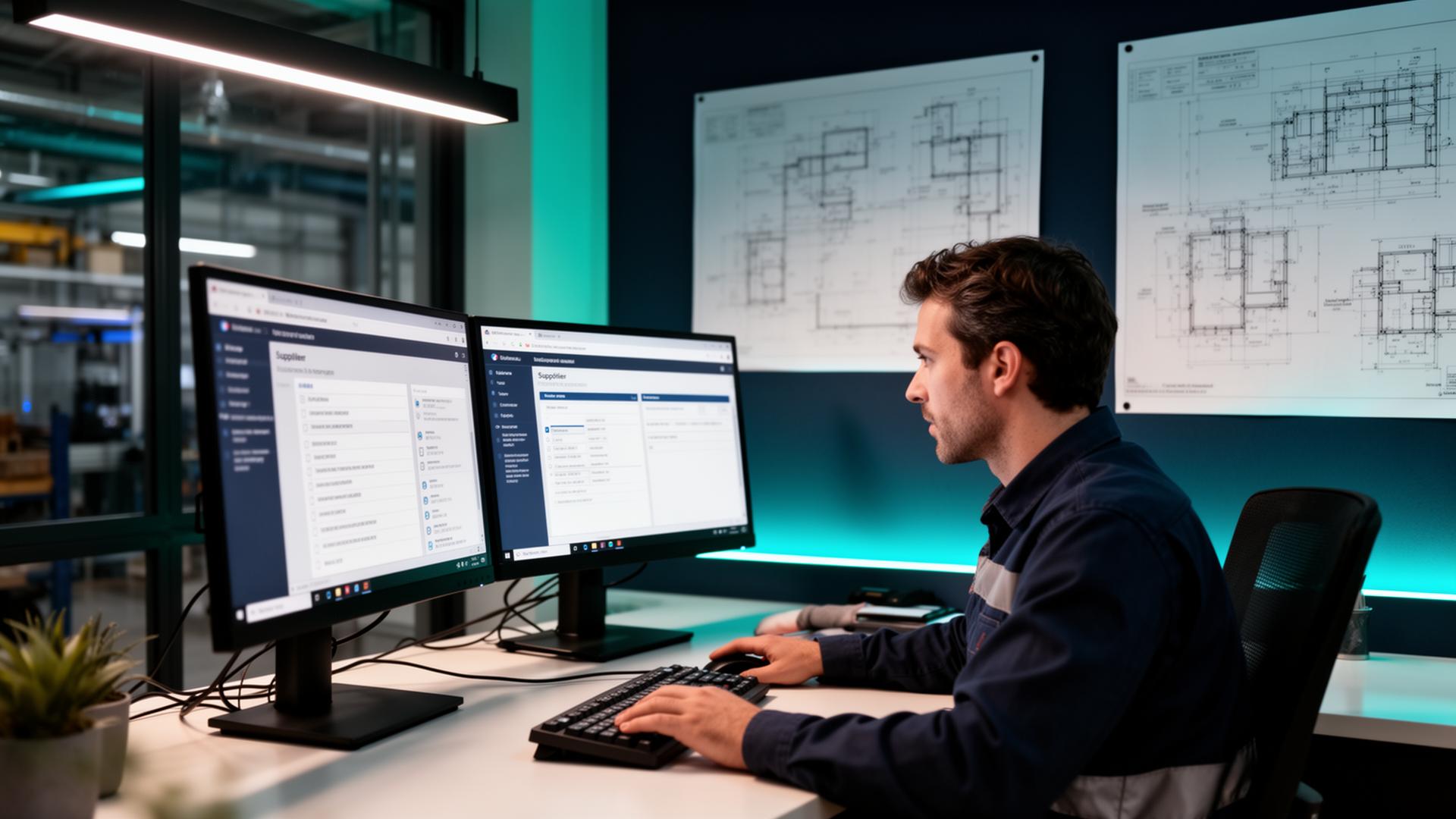
Toolmaking, Jigs & Fixtures
UK toolmakers building injection mould tools, press tools, jigs, fixtures, gauges and bespoke production tooling for manufacturing operations.
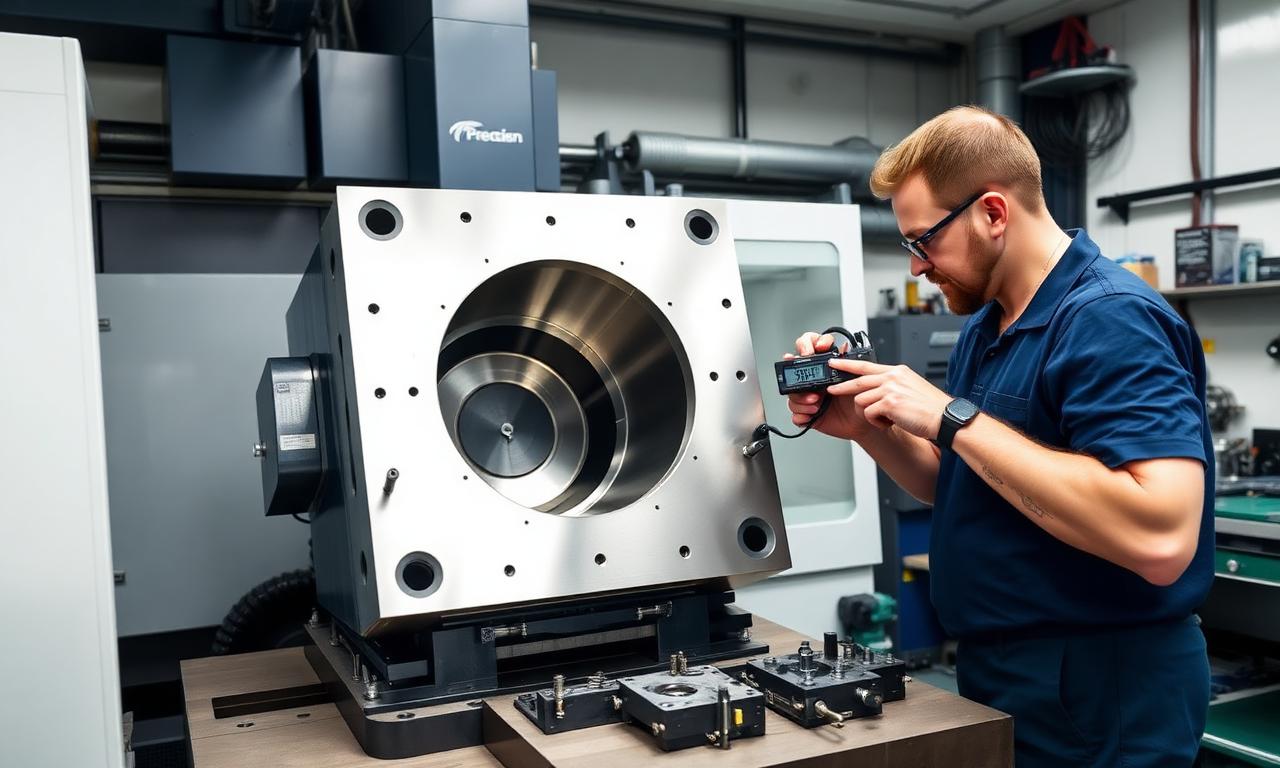
Mould tools, press tools, jigs, fixtures and production tooling
Toolmaking, Jigs & Fixtures covers the UK toolmakers and tooling engineers who design and build the moulds, press tools, jigs, fixtures and gauges that production depends on. This is the build side of tooling; for tool repair and modification, see Tooling, Moulds & Production Tooling.
- You need a new injection mould or press tool designed and built
- You need bespoke jigs, fixtures or gauges for assembly or inspection
- You're scaling production and need additional production tooling
- You need precision toolmaking for tight-tolerance assemblies
- Experience with your tool type, material and shot volume
- In-house design, manufacture and try-out capability
- CMM and inspection for tooling validation
- Steel grade options and heat-treatment partners
How to buy toolmaking, jigs & fixtures
Jigs, fixtures and bespoke tooling pay back in cycle time, repeatability and operator safety. Buy them like assets, not consumables.
- 01Define the operation
What is being held, located, machined, welded or measured, in what cycle, by what operator. The operation drives the design.
- 02Decide manual vs automated
Manual clamping for low volume, pneumatic or hydraulic for cycle-time-driven work, full automation for high volume.
- 03Specify accuracy and life
Repeatability target, expected number of cycles, wear-part replacement strategy and recalibration interval.
- 04Plan validation
Capability study (Cp, Cpk), first-off and periodic R&R checks documented in the QMS.
- 05Lock drawings and spares
Tool drawings, wear-part list and a routine maintenance schedule should be deliverables, not future requests.
Categories in this group
Browse one sub-category at a time - 17 categories across 1 section.
Services offered in Toolmaking, Jigs & Fixtures
The service lines suppliers in this category typically deliver.
Standards and accreditations to look for
These are the third-party certifications buyers commonly ask suppliers in this category to hold. Industrial Connected Verification is a separate check of company identity and credentials, and approved certifications uploaded by a supplier also contribute towards their Trust Score.
Baseline toolroom quality system.
Required for tooling supplied into automotive production.
Tooling for medical device manufacture.
German automotive process and production equipment audits.
Lead times in Toolmaking, Jigs & Fixtures
A realistic starting point for planning. Actual lead times depend on volume, material availability, finishing, inspection requirements and current supplier load. Confirm in writing on every quote.
Mould tools 6 to 14 weeks; press tools 8 to 16 weeks; jigs and fixtures 2 to 8 weeks.
How to vet a toolmaking, jigs & fixtures supplier
Run through this checklist with any candidate supplier before awarding work. If they cannot evidence an item, treat it as a risk to manage, not an assumption to ignore.
- Design office capable of solid-model fixture design with FEA where needed.
- Toolroom with grinding, EDM and inspection on site.
- Experience with your part family and process (machining, welding, inspection).
- Ergonomics and safety review documented for any manual fixture.
- Maintenance and refurbishment service offered post-handover.
- Quality system certified and audited (ISO 9001 minimum, sector standards where required).
- Two reference customers in your sector willing to take a call.
- Insurance, IP and NDA position confirmed in writing before sharing drawings or data.
- Commercial terms agreed: payment terms, currency, retention, delivery Incoterms.
Common mistakes buyers make in Toolmaking, Jigs & Fixtures
The avoidable issues we see most often, with the one-line fix that prevents them.
Kinds of suppliers in this category
The supplier profiles you will typically meet when sourcing in Toolmaking, Jigs & Fixtures.
Single and multi-cavity injection mould tools in P20, H13, S136 and similar.
Blank, form and progression tools for sheet metal.
Tight-tolerance toolmaking for medical, aerospace and instrumentation.
Bespoke build of inspection, assembly and welding fixtures.
Example projects in Toolmaking, Jigs & Fixtures
Representative briefs and scopes buyers post in this category.
Buyer & supplier guidance
- Part drawing or 3D model with tolerances and datums
- Expected annual volume and tool life
- Material to be moulded or formed
- Required samples (T0, T1, T2) and validation outputs
Mould tools 6 to 14 weeks; press tools 8 to 16 weeks; jigs and fixtures 2 to 8 weeks.
- Tool ownership, storage and maintenance plan
- Spares and consumable inserts policy
- Try-out and sampling schedule
- Future modification and life-extension scope
- List tool types, shot volumes and steel grades
- Show in-house design, machining and try-out capability
- Reference inspection and validation methods (CMM, samples)
- State spares, storage and tool life support
- Tool types and complexity
- Design and try-out capability
- Steel grades and heat-treatment partners
- Validation, sampling and support
Buyer FAQs for Toolmaking, Jigs & Fixtures
Typically 6 to 14 weeks for a single-cavity production tool in the UK, depending on complexity, steel grade and try-out cycles.
Often yes - the toolmaker who knows your part can design the inspection or assembly fixture around the same datums, saving rework.
Pre-hardened (e.g. P20) suits lower volumes and easier modification; through-hardened (e.g. H13, S136) suits high-volume tools and abrasive materials.